CHAPTER ONE
The Health Education Roots
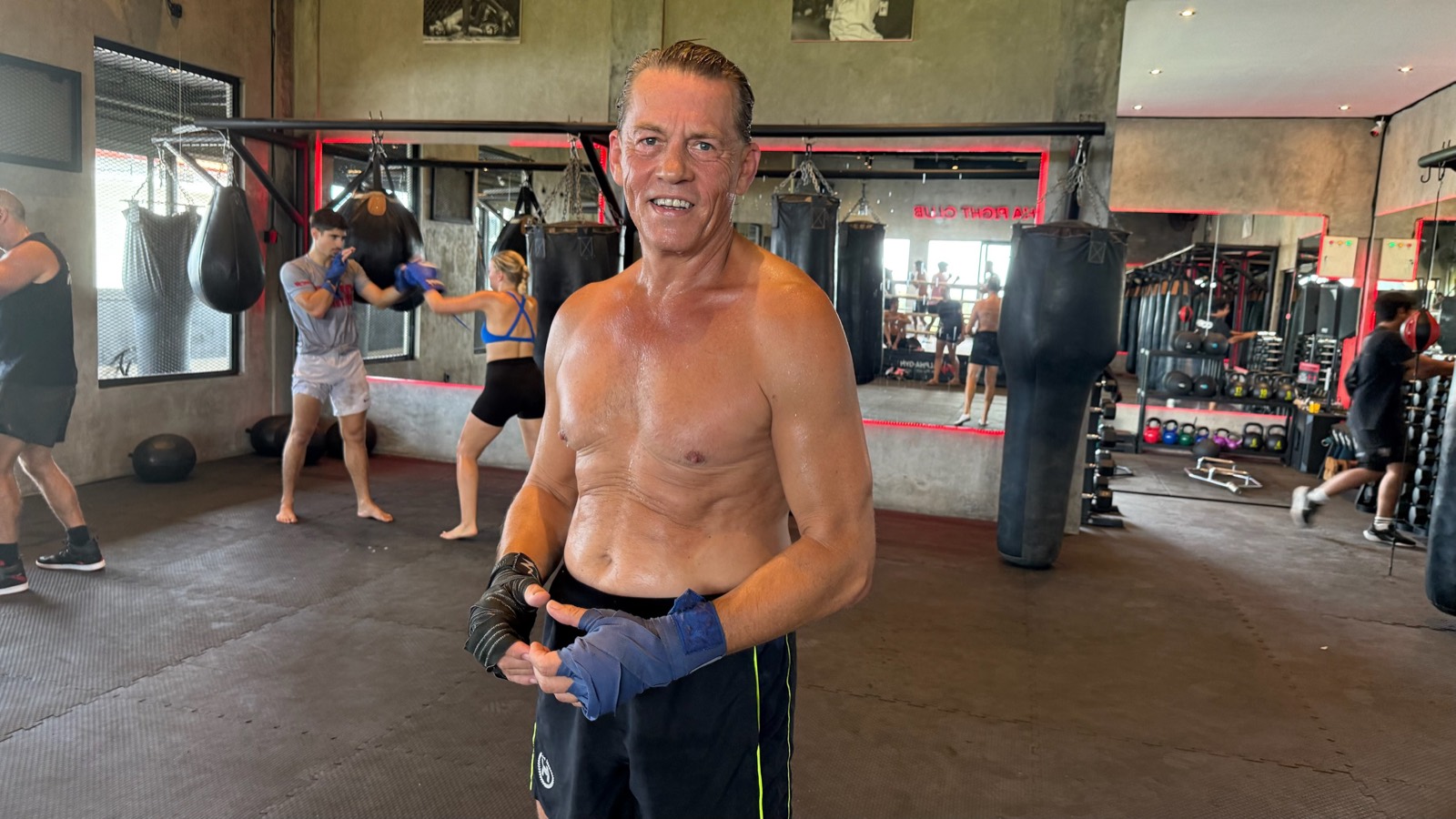
Marius grew up with sport — triathlon, marathons, football, watersports, and martial arts from a young age. Through those years he discovered something no classroom had yet taught him: what you put into your body determines what it gives back. He was, in practice, a nutritionist before he knew the word.
In Munich, he co-owned a Body and Health fitness studio alongside his brother — health consulting, working with practitioners, building his first real connection between knowledge and work. That studio led to leading sales, enrolment and operations for one of Europe's largest naturopathy school networks — students across Germany, Austria and Switzerland training in natural medicine and integrative health.
The most important thing those years gave him was a framework: health is a system, not a collection of isolated choices. You cannot fix sleep without addressing stress. You cannot fix nutrition without addressing the habits of mind that drive the eating. He understood this deeply at the time. He would spend the next twenty years not consistently applying it.
CHAPTER TWO
Miami: Building at Full Speed
Marius arrived in Miami and built. First: a publishing and media company — international lifestyle media, online and in print, with offices across the US and Europe. Then real estate, investment consulting, immigration investment structuring, and a period as Vice President at Le City Deluxe Magazine.
And then a sustainable-marine venture he co-founded and fronted — directing its international marketing and press, and spending long stretches at the shipyard as the build took shape. Another project that asked for everything he had, and got it.
Then the world changed overnight. The pandemic froze the luxury market, and the project had to stop — not for any failure of vision, but for reasons no one could control. That is the lesson he carries into every venture since: you commit fully, you lead from the front, and when the timing turns against you, you carry the lesson forward, not the regret.
From the outside, the Miami years were impressive: internationally diverse, high-performing, genuinely interesting. From the inside: the body was keeping a ledger. Late nights, accumulated stress, less recovery. Patient. No reminders. Just accumulating.
CHAPTER THREE
The Pandemic and the Invoice
When COVID arrived, Marius co-founded Supply Disaster — supplying personal protective equipment to hospitals, military installations, and governments worldwide at a moment when these things were almost impossible to source. The work mattered.
The stress of two years of sustained, high-stakes operations accumulated in ways he was not tracking. When it was over, his body presented the invoice for everything that had been building since Miami began.
What he didn't have language for at the time: this was burnout — but it was colliding with the natural hormonal shift of midlife. By 50, his body was also moving through the gradual decline in energy, recovery and resilience that many men feel from their mid-40s on — the male parallel to what women know as perimenopause, what's increasingly called andropause. He never had it tested or named back then; what he felt was undeniable. Energy declining. Recovery slowing. Sleep fragmenting — and a lifestyle that was quietly making all of it worse. The protocols that had worked at 35 were no longer enough. His body wasn't signalling anymore — it was demanding a different system.
What he finally understood, not intellectually but in his body: the problem was not a lack of knowledge — he had run health schools. The problem was the absence of a system designed for this stage of life. He had been pouring fuel into a tank with a hole in it, on a chassis that was already changing. The forced stop became the inevitable rebuild.
CHAPTER FOUR
Berlin: The Return to Depth
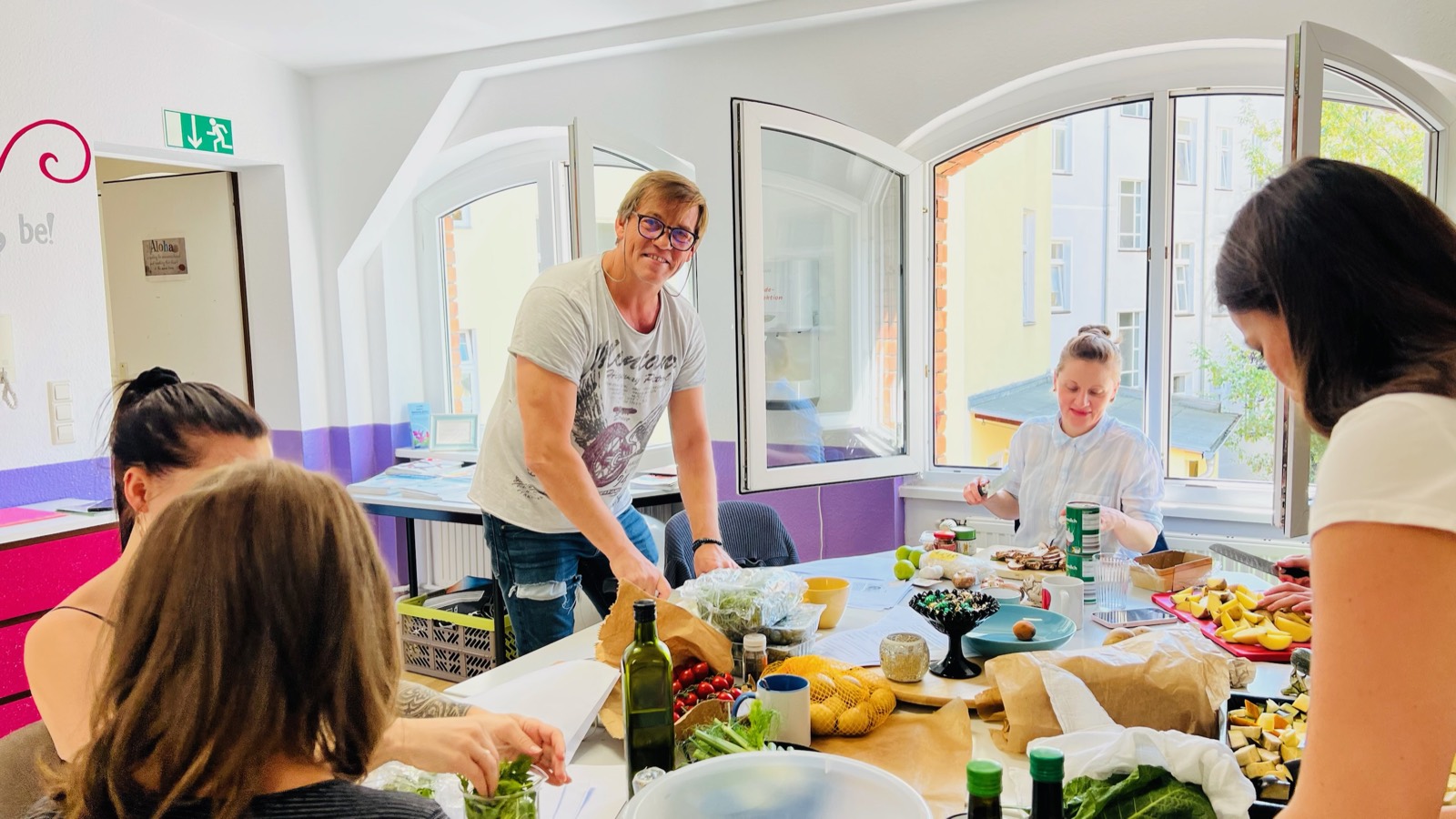
Marius moved to Berlin and enrolled at Harmony Power School — a period of serious study: naturopathic training, pharmacology, acupuncture, massage, and psychology, with further study across the city alongside it. He emerged as a certified Health, Nutrition and Life Coach.
He studied the naturopathy curriculum fully. He did not sit the state examination — and it was a conscious choice. The examination qualifies you as a clinician: someone who diagnoses and treats illness. That is not what he wanted.
He studied pharmacology for the same reason he studied everything else — to understand, never to prescribe. So he would know what the men he works with are actually carrying: the pills they take each morning, and how food, movement and daily habit work alongside them. Any decision about medication stays where it belongs — with their doctor.
He wanted to work with people who are not yet ill but not yet thriving — the space between depleted and vital. That meant coaching, not clinical practice: a guide for the healthy-but-stuck, not a physician for the sick. The distinction was deliberate.
CHAPTER FIVE
Asia: Where Everything Became One System
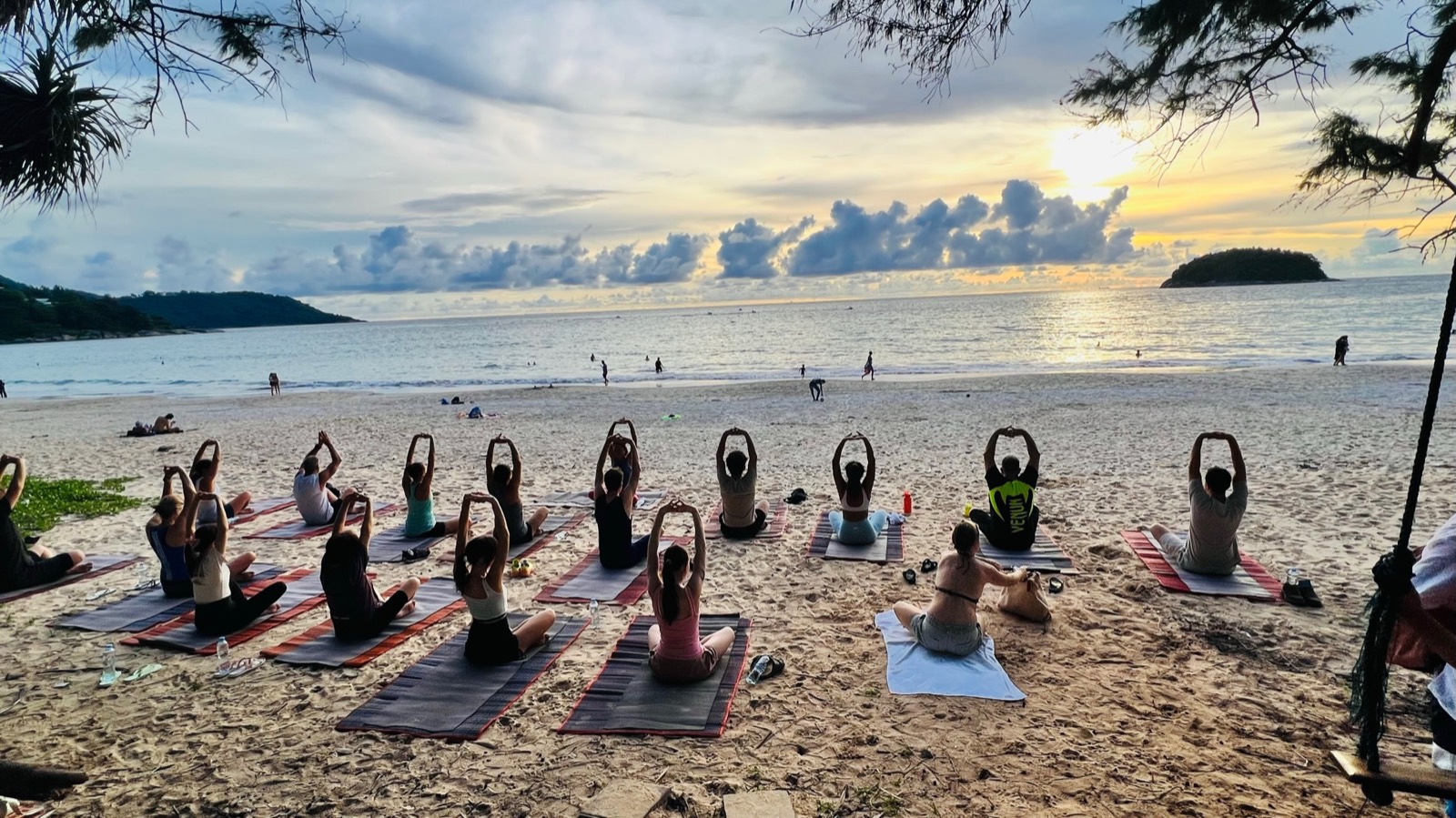
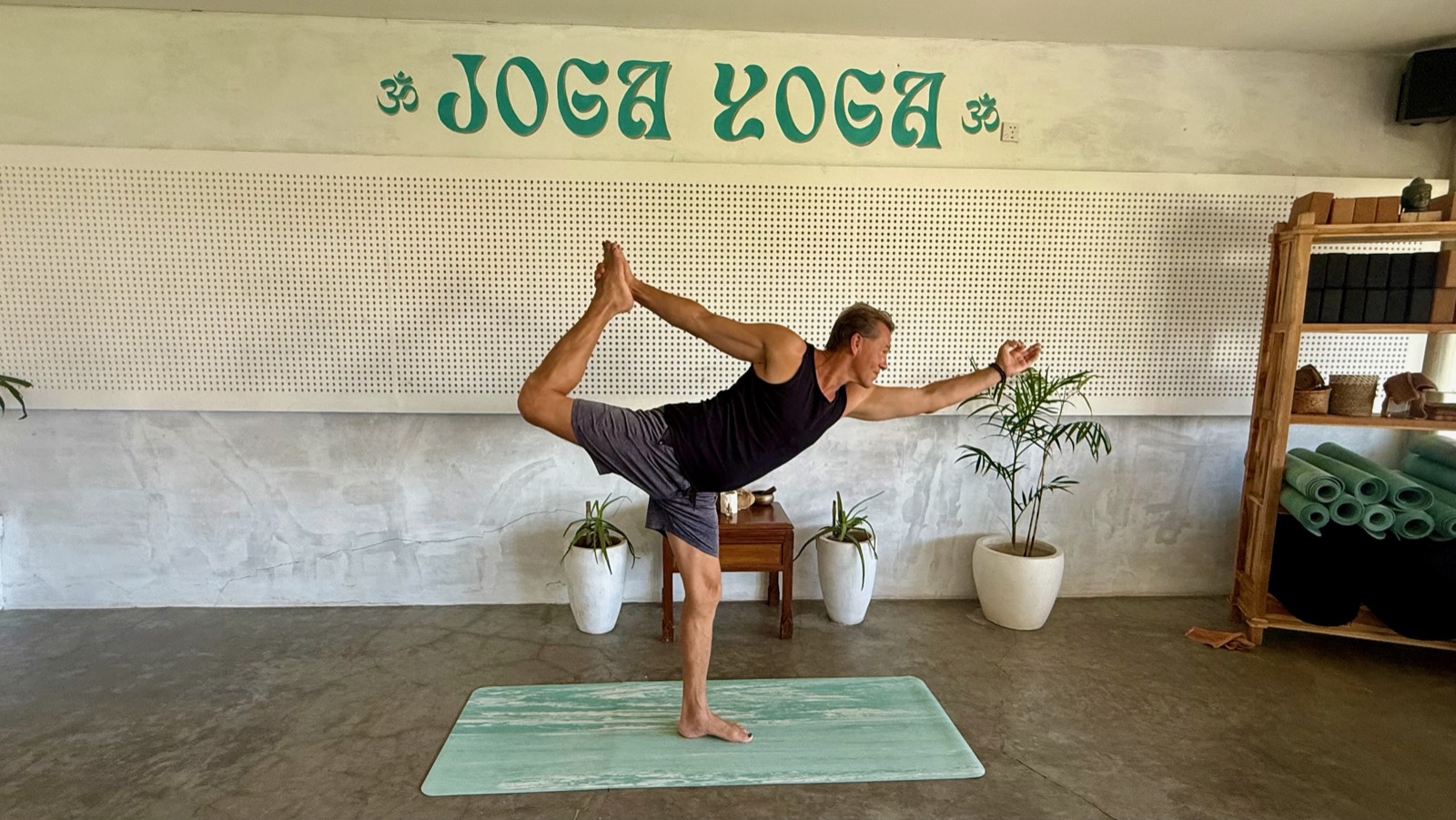
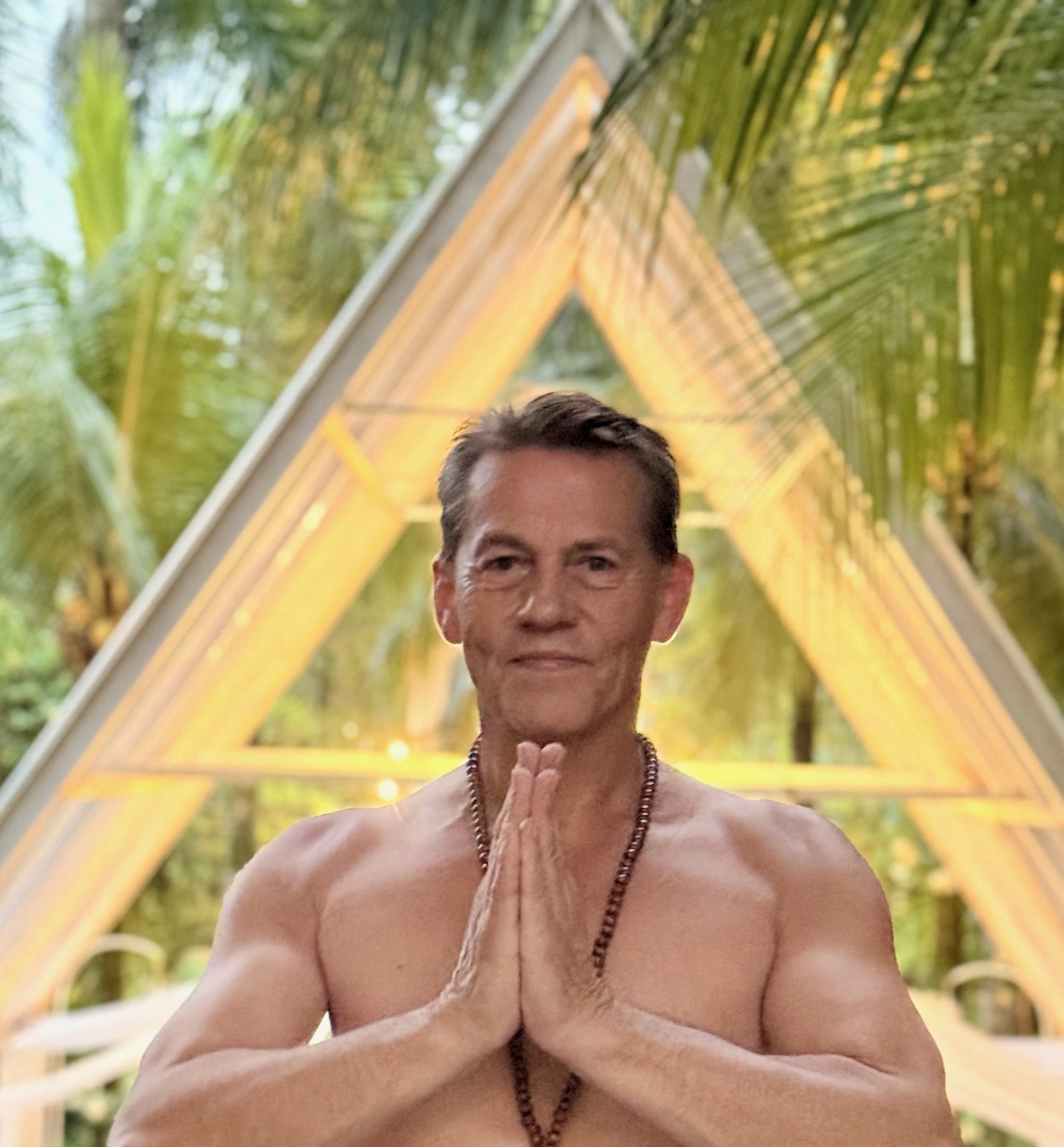
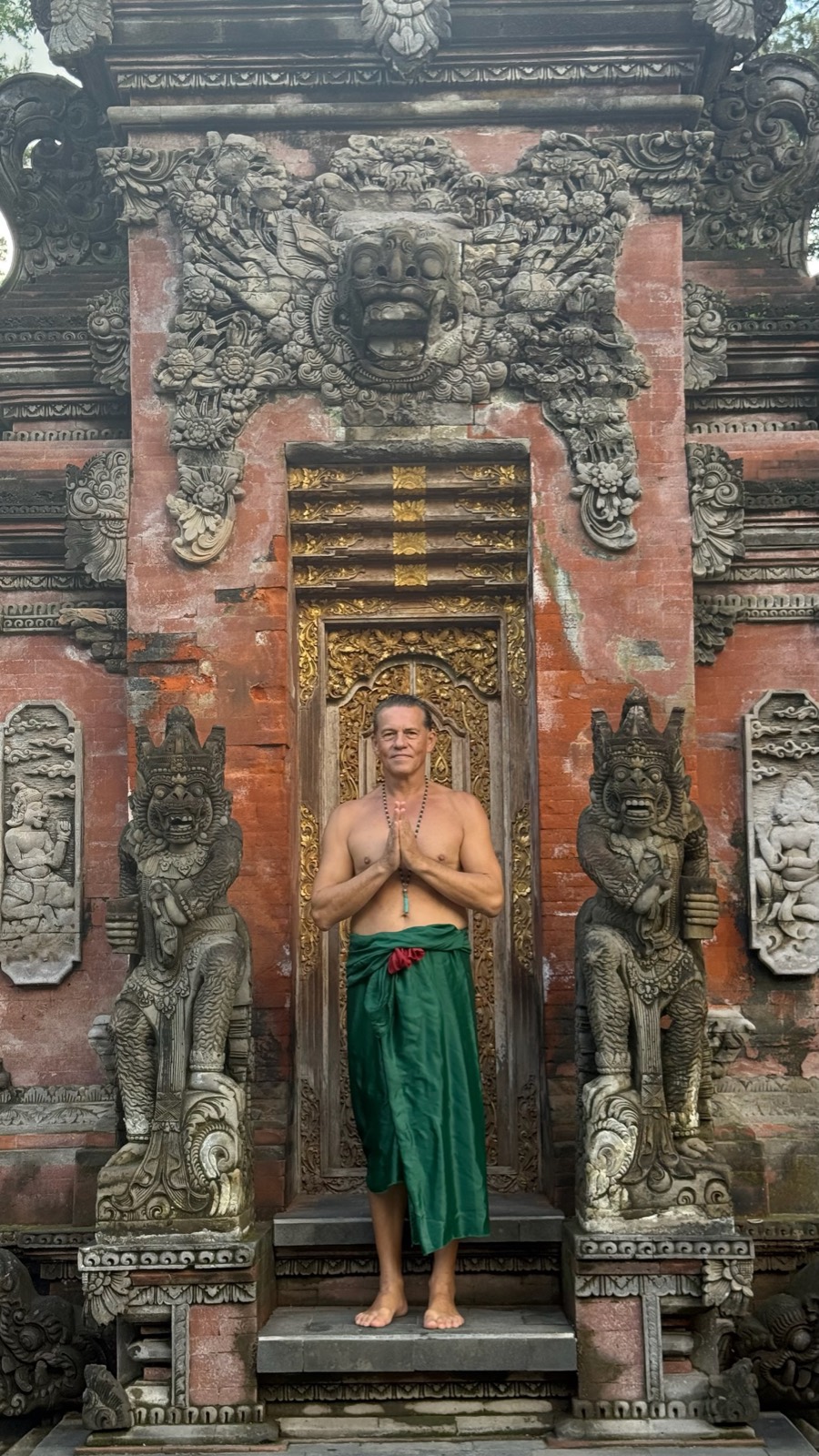
After Berlin, Marius went to Asia — not as a tourist, as a student. India first. Rishikesh — the birthplace of yoga, at the foot of the Himalayas. He had been practicing yoga for over twenty years. He went to study what the tradition actually is.
He studied Ayurveda — the five-thousand-year-old Indian system built on a simple and profound principle: every person has a unique constitution, and health means living in alignment with yours. Not a universal prescription. A personal one.
What struck him across every tradition he studied was the same convergence: ancient practitioners arriving at the same conclusions using completely different frameworks and languages, separated by thousands of years. Ayurvedic digestive wisdom maps directly to modern chronobiology. Yogic breathwork activates the same vagal pathways described in modern neuroscience. Stoic mental discipline anticipates cognitive behavioural therapy by two thousand years.
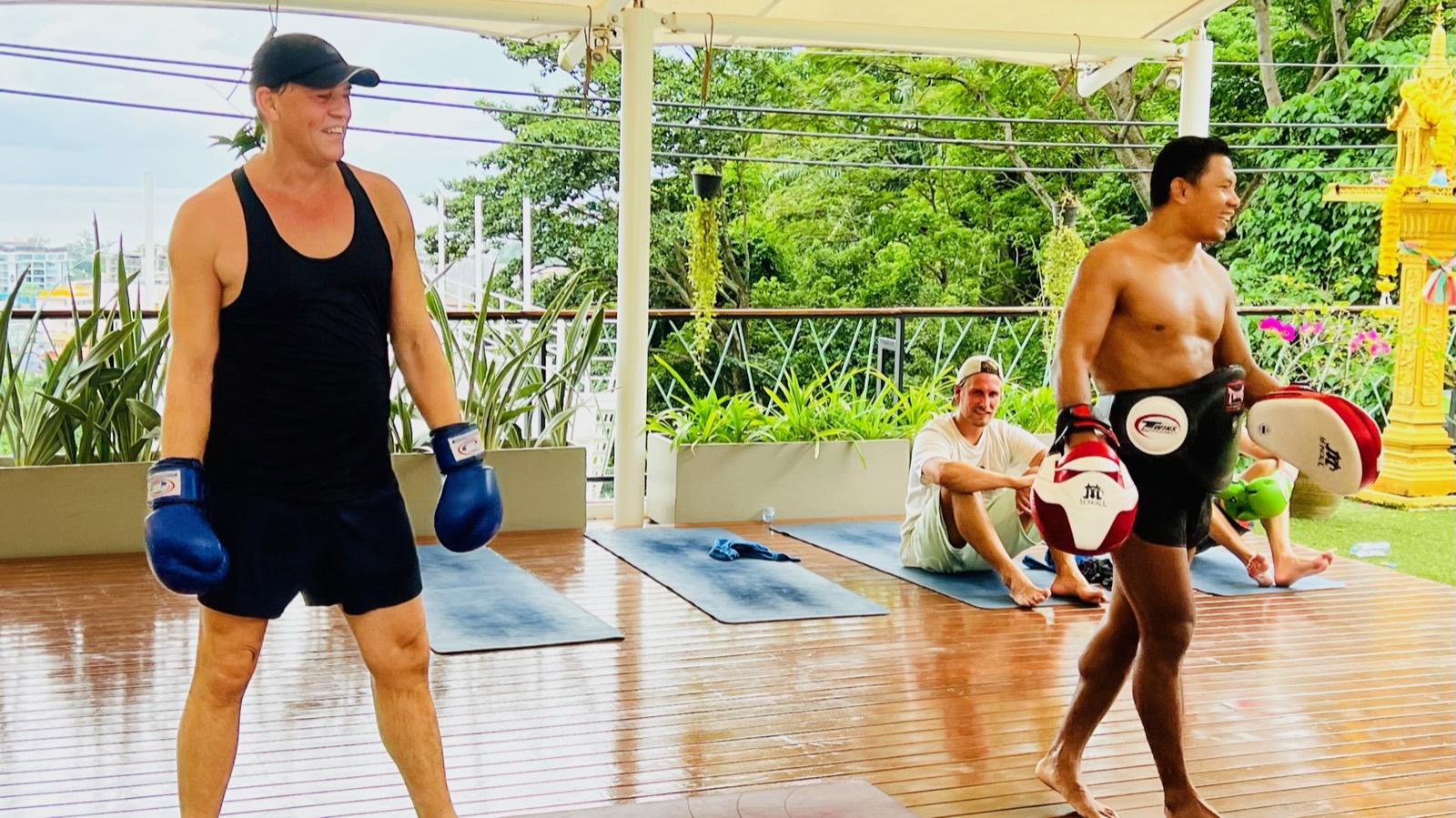
Thailand — where Marius had practiced Muay Thai alongside Buddhist meditation. Both teach the same thing: be present. In the ring your attention cannot wander. In meditation the instruction is identical.
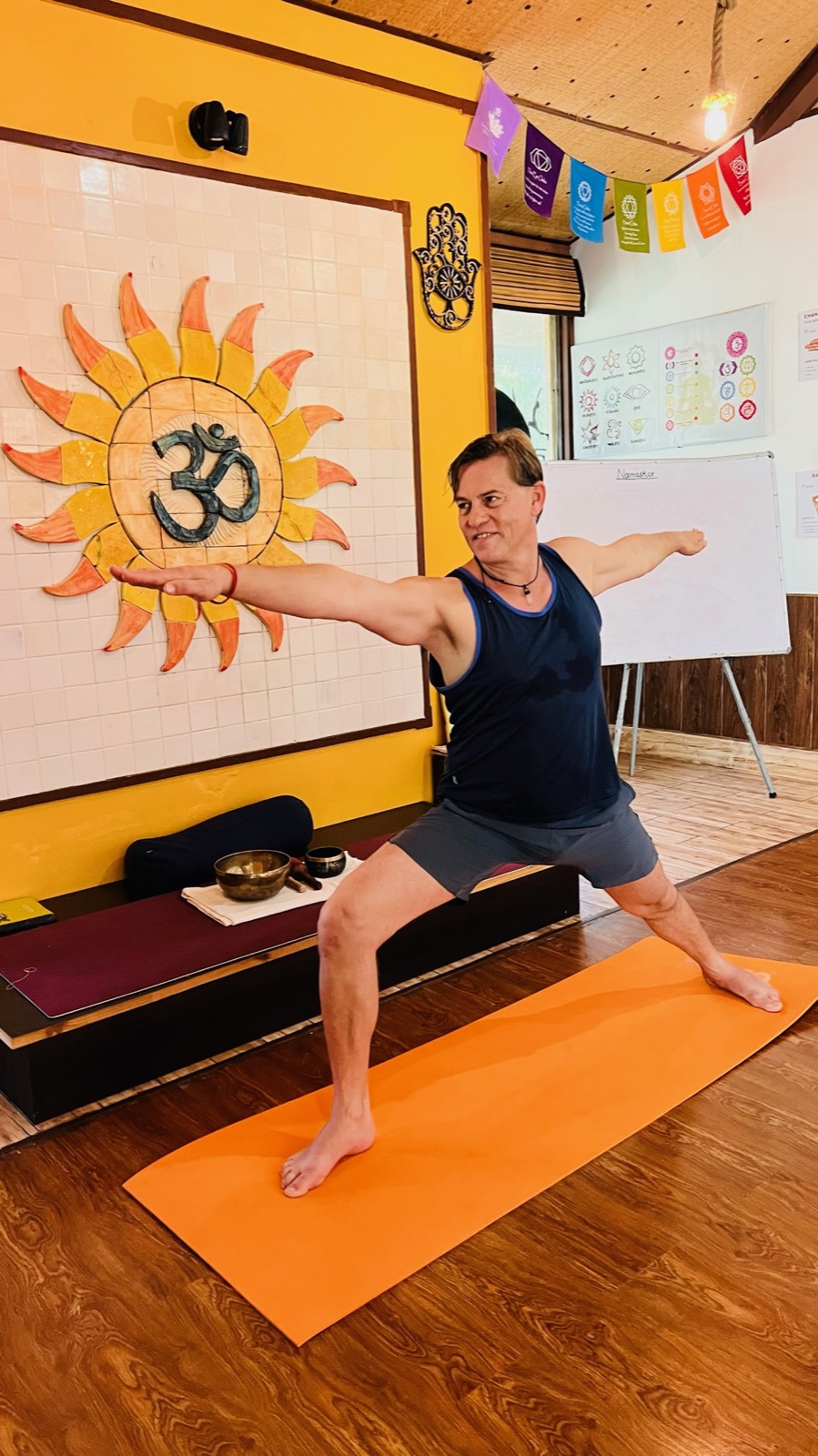
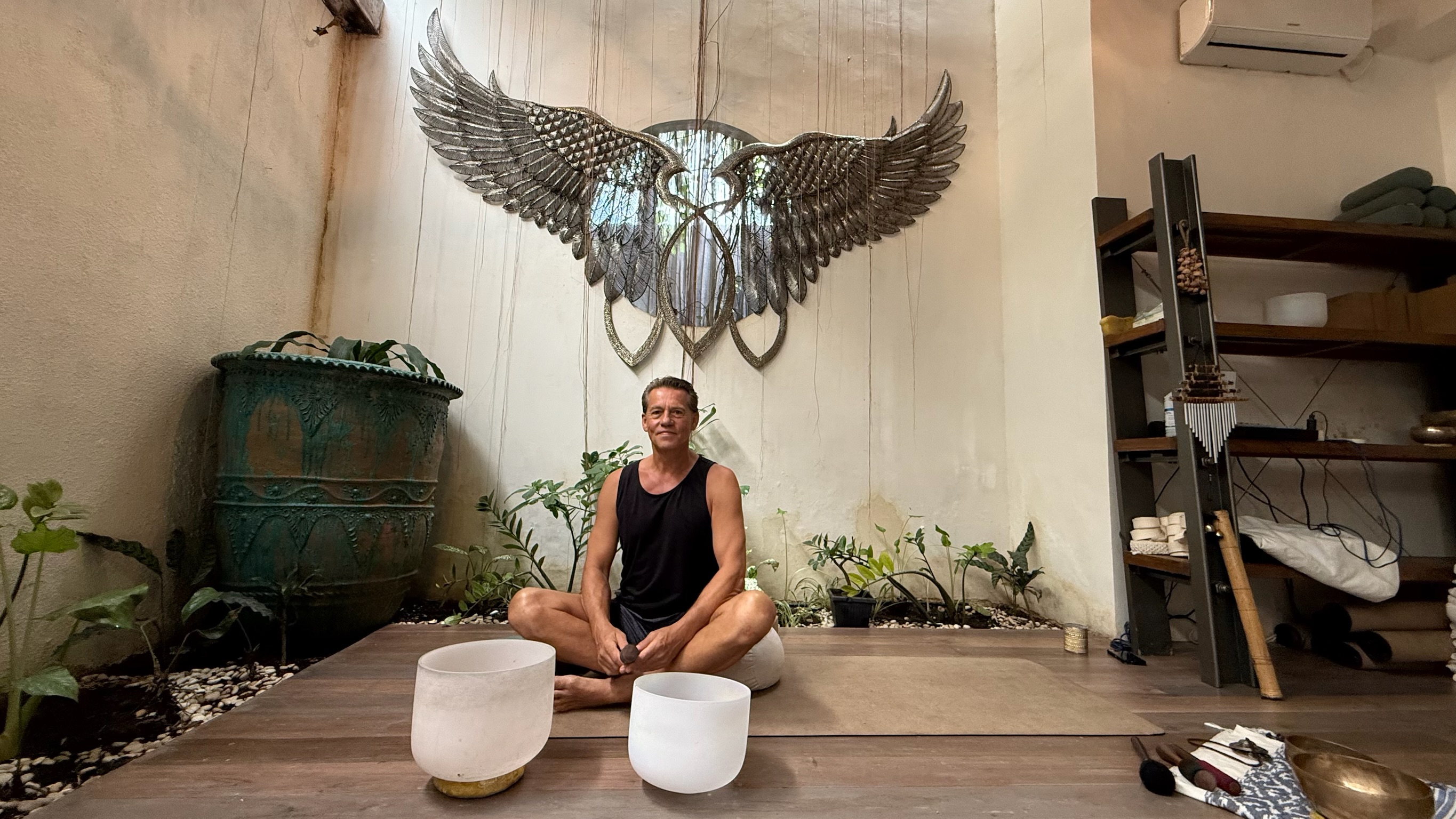
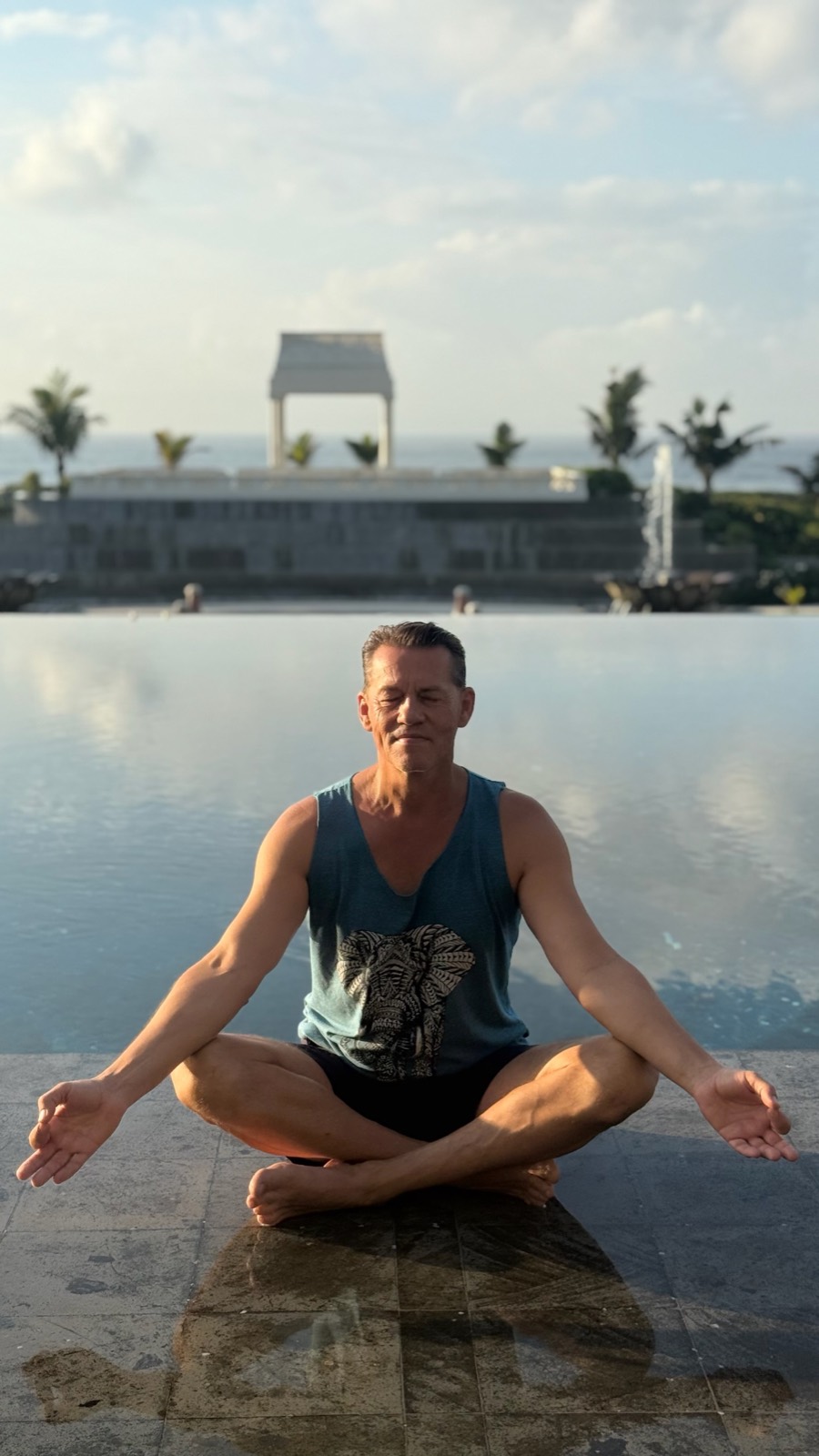
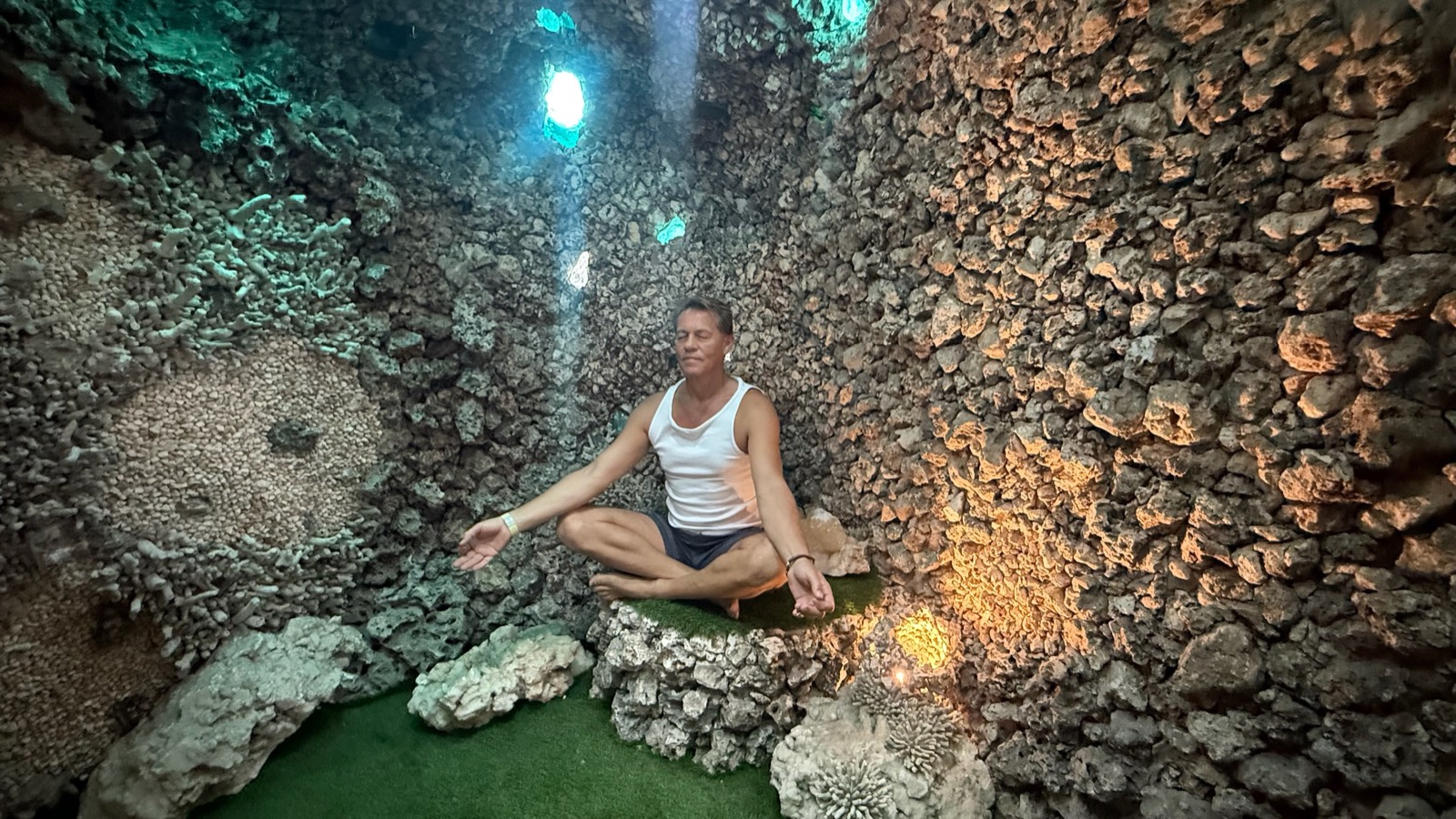
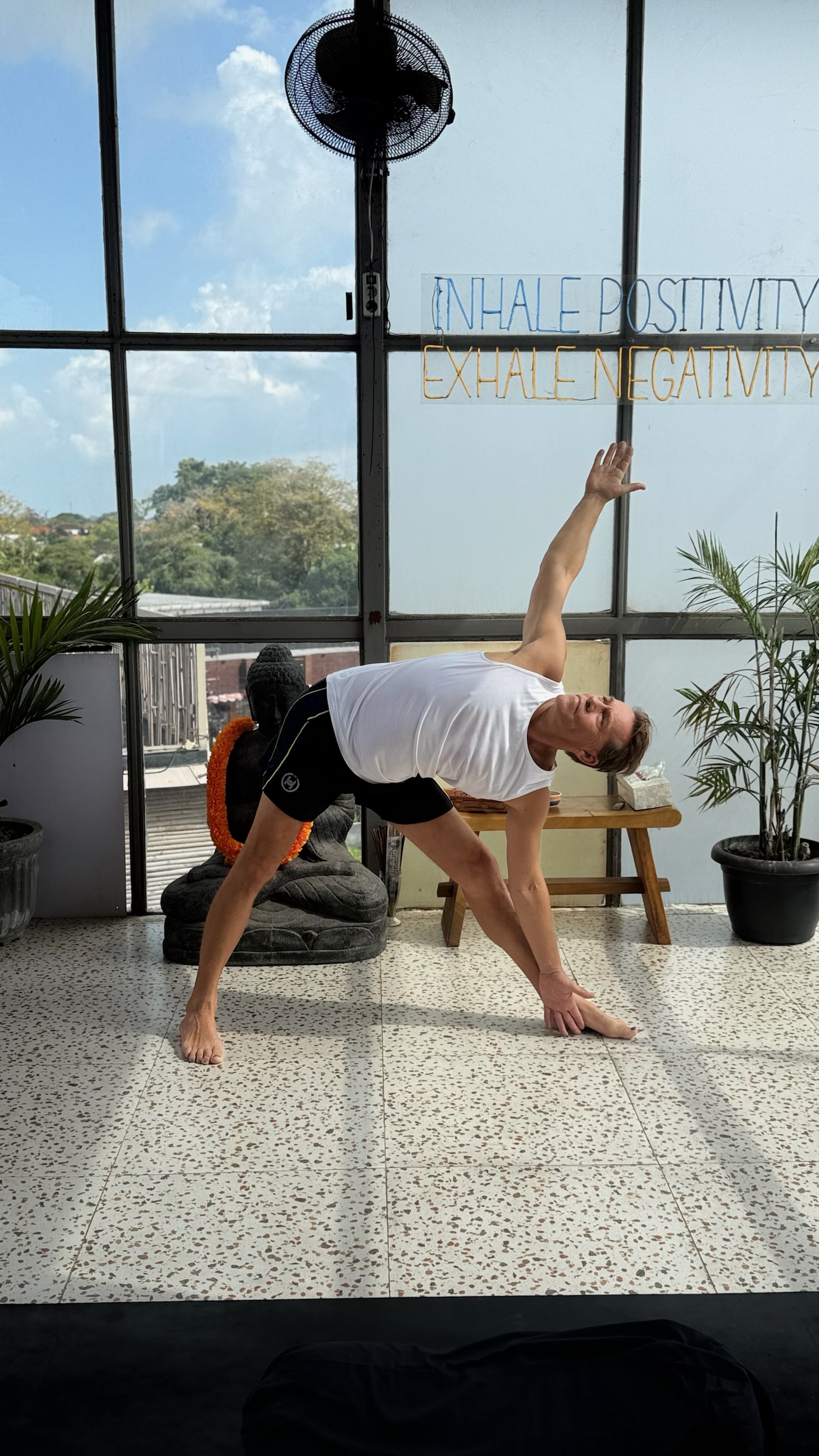
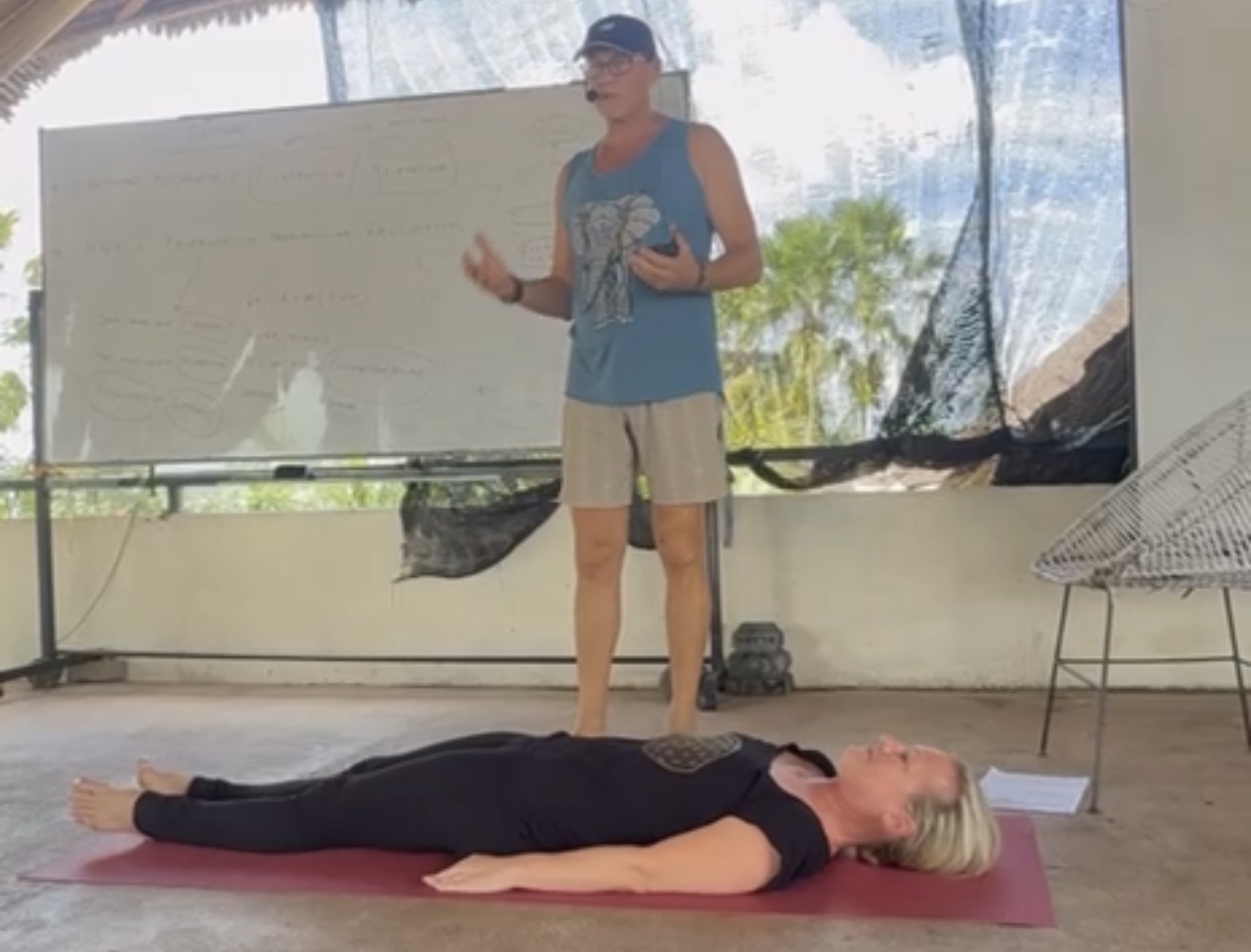
And Bali. House of Om. Two-hundred-hour yoga teacher training, Yoga Alliance International certified. Therapeutic yoga — movement and breath as medicine. Bali was where integration happened. India gave depth in each tradition separately. Bali was where they stopped being separate and became one coherent system.
TODAY
The M3 System and What Is Coming
The M3 System is the synthesis of everything those chapters taught. Mindset, Movement, Metabolism — three dimensions of one integrated system, built specifically for the andropause years and for men with real lives and real demands on their time.
It doesn't treat midlife as a problem to optimise away. It treats this hormonal transition — what ancient traditions recognised millennia before modern endocrinology had a name for it — as the actual terrain to design for.
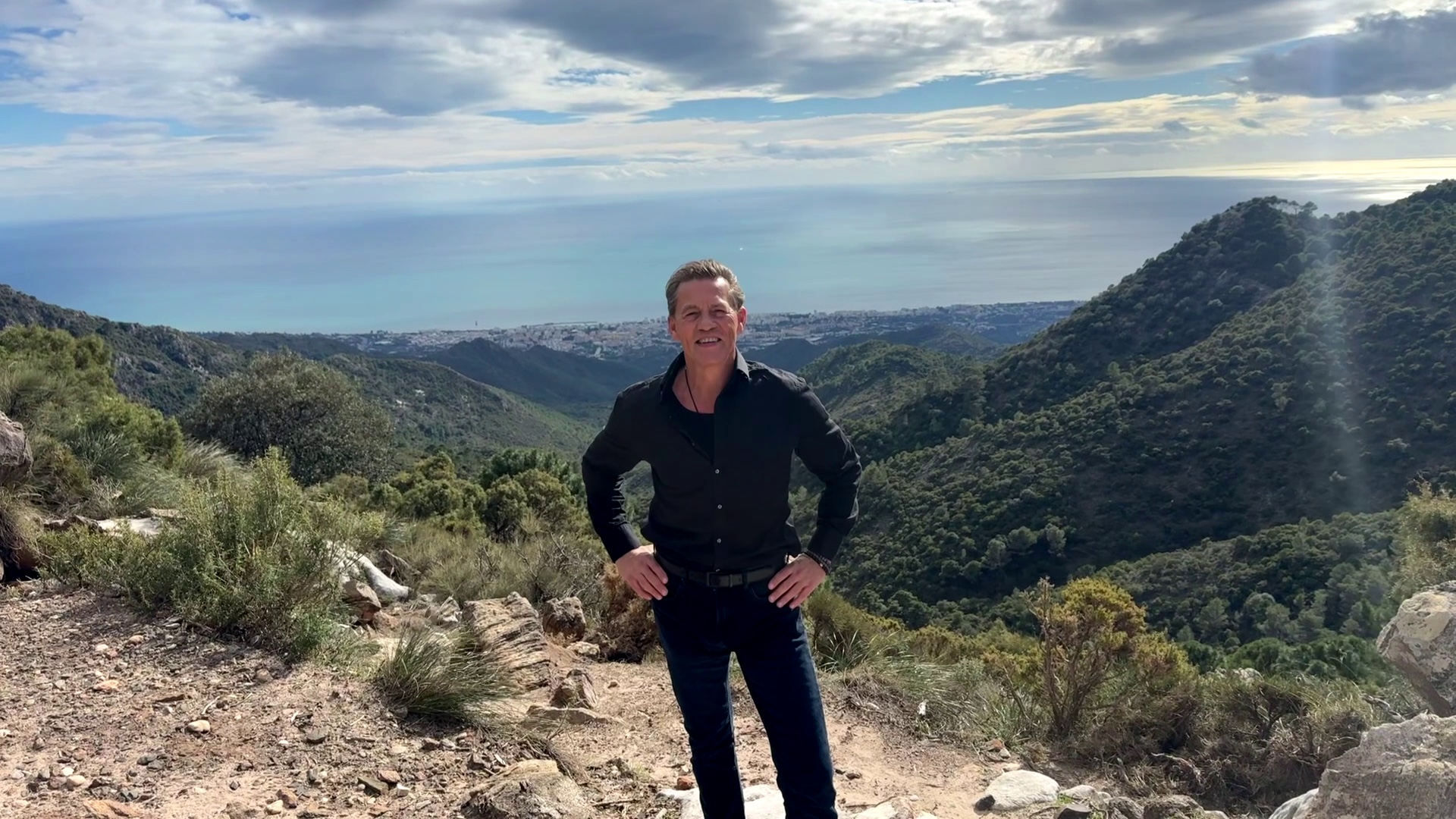
Marius writes and teaches from Berlin and Marbella — and online, for men around the world.
Ancient wisdom, backed by modern science. Applied in a real life.
In February 2024, at Erfurt Cathedral, Marius Koller was invested as a Knight of the Guardians of Peace (Guardia di Pace) — an international peace confederation rooted in Assisi and Malta — in recognition of his social and charitable work.